
Call: 1-866-205-4872

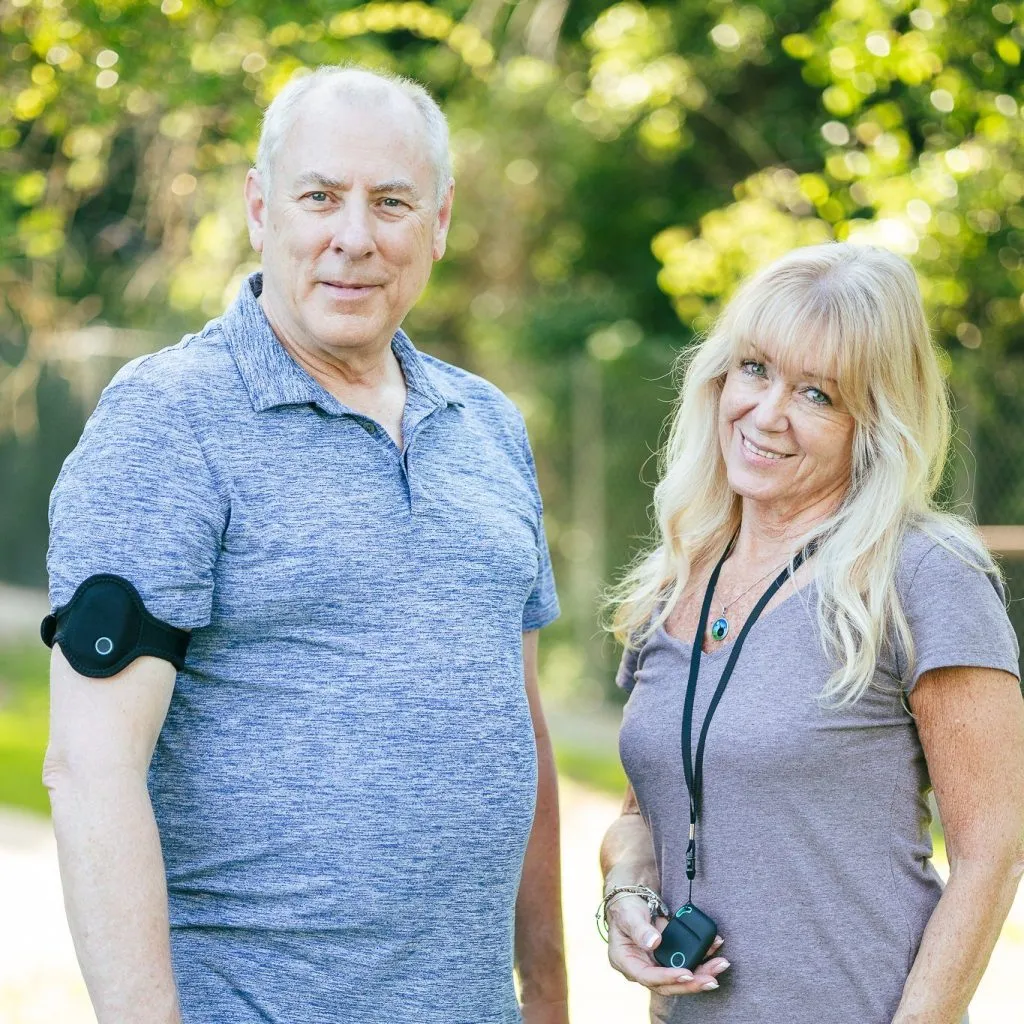
For many older adults, the idea of wearing a mobile alert device can feel uncomfortable not physically, but emotionally. There’s a fear that it will make them look “old,” “frail,” or dependent on others.
If you’re a caregiver or an adult child, you might already see the clear benefits. But convincing your parent or loved one to try one is often another story. The good news? With the right mindset, language, and approach, mobile alert devices can be reframed as a source of freedom, not a symbol of limitation.
Why the Stigma Exists
Before we can remove the stigma, it helps to understand where it comes from:
- Perception of weakness – Older devices were bulky, unattractive, and marketed only for emergencies, so they quickly became a visual shorthand for “I can’t manage on my own.”
- Loss of independence – Wearing one can feel like admitting you’re not capable of living alone.
- Fear of being treated differently – Some worry that family or friends will hover more, or that it will change how people see them.
This mindset is understandable but it’s also outdated. Today’s mobile alert devices are smarter, sleeker, and designed for everyday life.
Reframing the Conversation
If you’re the one encouraging a loved one to get a device, your approach matters as much as the product itself.
Instead of saying:
“You need this in case you fall.”
Try saying:
“This is like a safety net that lets you keep doing what you love without worrying.”
A few ways to reframe the message:
- Independence tool, not a crutch – Compare it to everyday safety measures like wearing a seat belt or installing smoke detectors.
- Peace of mind for everyone – It’s not just about emergencies; it’s about knowing you’re never truly alone.
- No “frailty” language – Focus on freedom, connection, and choice.
Making Devices More Appealing
Modern mobile alert devices have come a long way:
- Stylish and discreet – Many can be worn as pendants, watches, or clips, blending into daily wear.
- Smart features – GPS location, fall detection, and two-way voice calling for instant help.
- User-friendly – Simple set-up and no complicated steps to call for help.
When choosing a device, let your loved one be part of the selection process. Picking the color, style, and wearing option can go a long way toward making it feel like “their” device.
How to Talk to Your Parent About It
Here are some practical conversation tips for caregivers and adult children:
- Start early – Don’t wait until after a fall or health scare to introduce the idea.
- Lead with empathy – Listen to their concerns before offering solutions.
- Share positive stories – Testimonials from other seniors who feel more confident and independent can be powerful.
- Offer a trial – Suggest trying it for a few weeks with no pressure to keep it.
- Choose together – Let them decide on the look and features they like.
Beyond Emergencies: Everyday Benefits
One way to reduce stigma is to shift the perception from “emergency-only” to “daily companion.”
Mobile alert devices today can help with:
- Quickly reaching family – Many allow for direct calls to loved ones.
- Safe solo outings – GPS tracking provides an added layer of security for walks or errands.
- Peace of mind during activities – Gardening, showering, or exercising becomes less stressful with instant access to help.
- Fall detection – Alerts can be sent automatically without needing to press a button.
A New Perspective
Mobile alert devices aren’t about giving up independence they’re about protecting it. They’re a quiet, reliable safety net that allows seniors to live life fully, without the constant worry of “what if.”
For seniors: Think of it as a tool for confidence.
For caregivers and families: Think of it as the bridge between your loved one’s independence and your peace of mind.
If you’re ready to see how a modern, stigma-free mobile alert can fit into your life or your parent’s explore the Latitude Mobile Alert. Discreet, dependable, and designed to empower, it’s proof that safety can look good and feel good.

